
Judge Recommends Former U of AZ Professor Case Proceed
Nov 24, 2025
A U.S. magistrate judge determined that a religious discrimination lawsuit brought by former ethics Professor Daniel Grossenbach against the University of Arizona has merit and recommended that it proceed. U.S. Magistrate Judge Michael Ambri issued a Report and Recommendation to a federal district court recommending that it should deny the university’s motion to dismiss the case whereby Grossenbach’s First Amendment and Title VII claims that he was unlawfully fired for his personal religious speech and advocacy could be addressed in court.
On behalf of Grossenbach, Liberty Counsel is seeking a permanent injunction that declares the university’s discriminatory actions illegal and unconstitutional for violating his constitutional rights of free speech, religious exercise, equal protection, as well as his religious protections under Title VII of the Civil Rights Act of 1964. The lawsuit also requests that the court order the university to reinstate Grossenbach to his prior position and award damages. The lawsuit implicates the Arizona Board of Regents and its Chair, Douglas Goodyear, as well as University of Arizona President Suresh Garimella.
In many court matters, like motions to dismiss, federal district courts can refer cases to magistrate judges to prepare an independent recommendation that goes to the district judge presiding over the case to review, consider, and ultimately decide whether to accept it or make a different ruling.
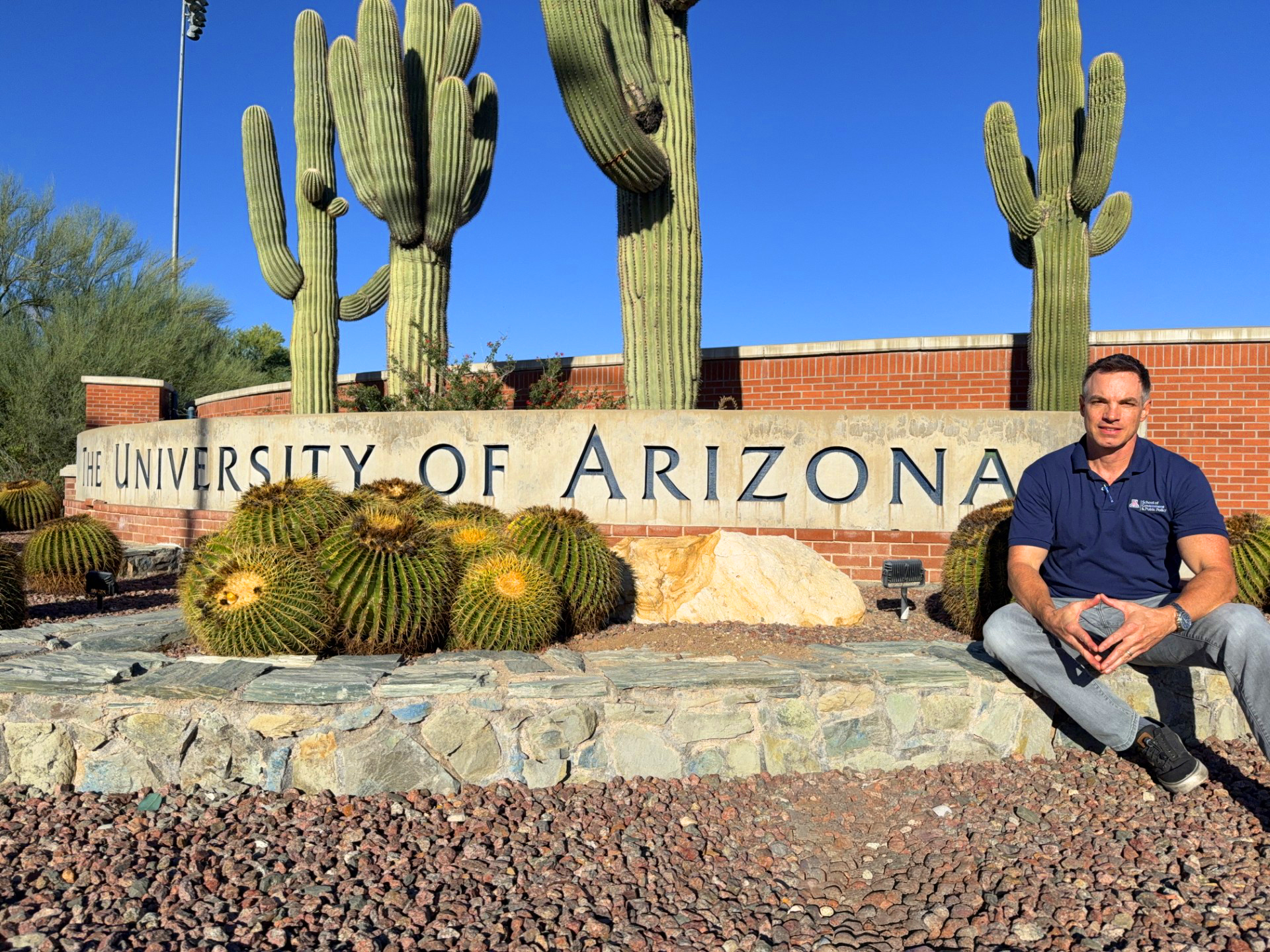
In Grossenbach v. Arizona Board of Regents, Judge Ambri noted that the Eleventh Amendment’s sovereign immunity protections do not bar Grossenbach’s lawsuit against university officials since he seeks an injunction meant to remedy a violation of constitutional rights.
In 2023, the University of Arizona unlawfully fired Grossenbach for his parental rights advocacy at local school board meetings where his children attend school. The Christian professor was protecting his children by advocating for reversing public school policies that promoted teachers secretly surveying minors about their gender and sexuality. While the public school district is not affiliated with the university, college officials terminated Grossenbach anyway following anonymous complaints about his religious speech and advocacy.
However, the university did not disclose this as the reason for his termination, but informed Grossenbach it was not renewing his part-time teaching contract because it had received funding for a full-time faculty member. Yet, the university never hired a full-time professor nor offered his ethics course the following semester. In fact, the university posted advertisements soliciting resumes for additional part-time professors meeting Grossenbach’s exact skills and experience to teach similar courses to those he had taught for years.
When the university finally disclosed the public records of Grossenbach’s termination in July 2024—239 days after his firing—only then were the anonymous complaints revealed which show his firing was based on his public advocacy and religious speech.
Judge Ambri wrote, “…the [University] took actions to prevent Grossenbach from discovering his claims by slow-walking his public records request and by falsely telling him that his contract would not be renewed because the University was going to hire a full-time faculty member to teach those classes. Taking the allegations in the Complaint as true and drawing all reasonable inferences in his favor, the court finds that the [University] knew the true circumstances surrounding the adverse employment action and falsely represented them to Grossenbach intending that he rely on those false representations.”
“He therefore has standing to assert his Constitutional claims,” Judge Ambri concluded.
Liberty Counsel Founder and Chairman Mat Staver said, “Professors at public universities do not shed their constitutional rights to free speech and religious exercise when they speak up for their children on matters of public concern. Professor Daniel Grossenbach engaged in constitutionally protected speech, and religious expression. He was speaking on matters of public concern regarding his faith, morality, and the community to protect his children. The University of Arizona cannot fire a professor for his protected speech. Viewpoint discrimination is unlawful and violates the First Amendment and religious discrimination violates Title VII.”
Learn more at lc.org/professor.
Liberty Counsel advances religious liberty, the sanctity of human life, and the family through litigation and education. We depend on your support, which enables us to represent people at no cost. Click here to GIVE NOW.

TAKE ACTION


Post Office Box 540774
Orlando, FL 32854
(407) 875-1776
Contact: LEGAL HELP
Contact: Other Issue/Question
Name
Choose Password
SIGN UP TO STAY INFORMED!
Liberty Counsel is a 501(c)(3), tax-exempt nonprofit organization. Contributions are tax-deductible to the extent permitted by law.
View our Privacy Policy.
©Copyright 1995 - present. All Rights Reserved.


